
Opening the Door to New Opportunities
In today’s connected world, digital skills have become an essential part of everyday life. From applying for jobs and attending online classes to starting a small business or working as a freelancer, technology plays a major role in creating opportunities. However, millions of young people from underserved communities still face barriers that prevent them from accessing these opportunities. Limited resources, lack of career guidance, and minimal exposure to digital learning often leave talented individuals behind, despite their potential.
For many students, completing school is only the beginning of a much larger journey. Without practical digital knowledge, they often struggle to compete in a rapidly changing job market. Many employers now expect candidates to have basic computer knowledge, communication skills, and familiarity with online tools. Young people who never receive this exposure may find themselves excluded from opportunities that could transform their lives.
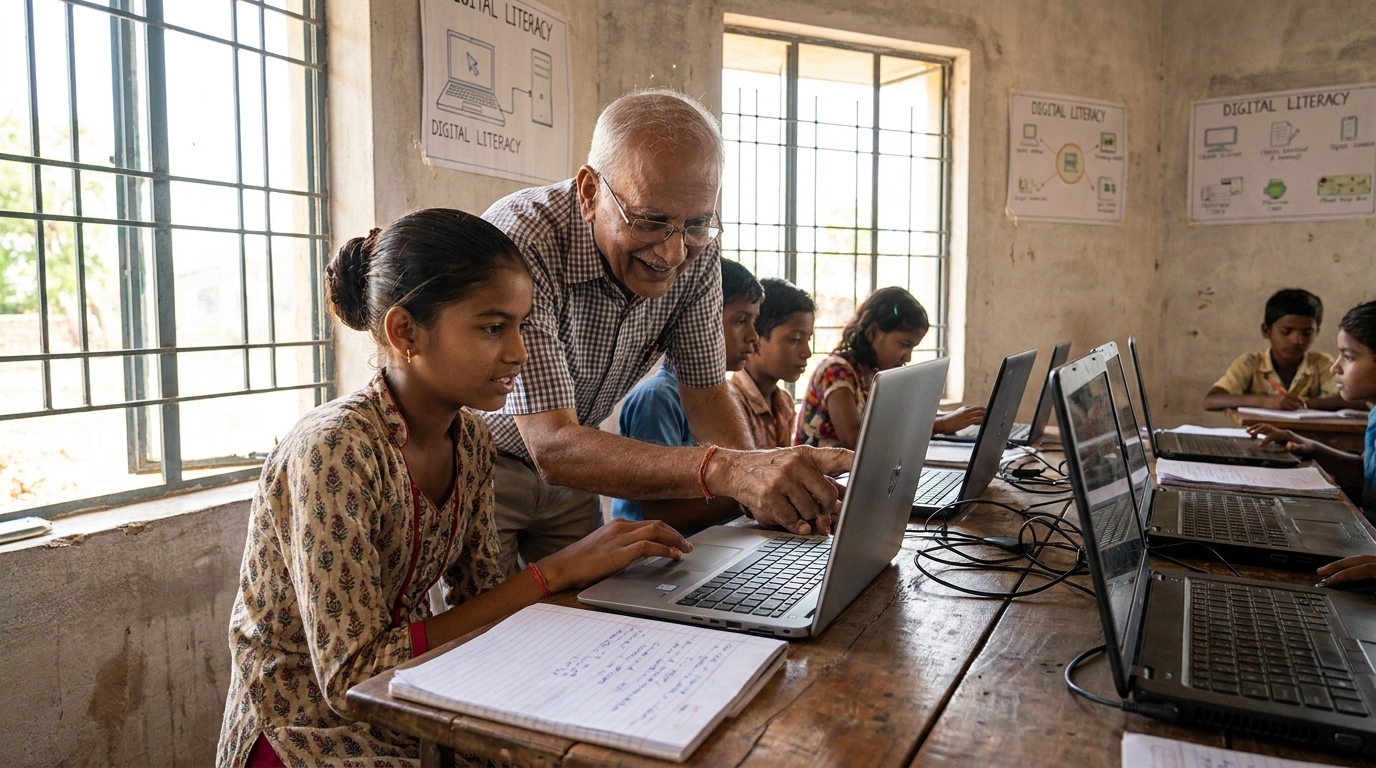
Digital education is not only about learning how to use a computer. It is about building confidence, developing problem solving abilities, improving communication, and understanding how technology can be used to create meaningful careers. When learners gain these skills, they become better prepared to adapt, grow, and contribute to their communities.
Organisations that invest in digital education are helping create long term change rather than offering temporary support. By providing guidance, practical learning, and continuous mentorship, they enable young people to become independent, confident, and ready for the future.
How Digital Skills Create Lasting Impact
Digital knowledge opens the door to opportunities that were once beyond reach. A student from a rural village can now attend online training, connect with mentors, build a professional portfolio, and apply for remote jobs without relocating to another city. Technology has reduced geographical barriers, allowing talent to be recognised regardless of location.
Learning digital skills also encourages creativity and innovation. Young people discover how to design presentations, create websites, produce digital content, analyse information, and communicate professionally. These abilities increase their confidence while preparing them for careers across multiple industries.
Another important benefit is career awareness. Many underserved students have limited exposure to different professions. Through digital platforms, they can explore fields such as graphic design, digital marketing, software development, content creation, data analysis, customer support, and entrepreneurship. Understanding these possibilities helps learners make informed decisions about their future.
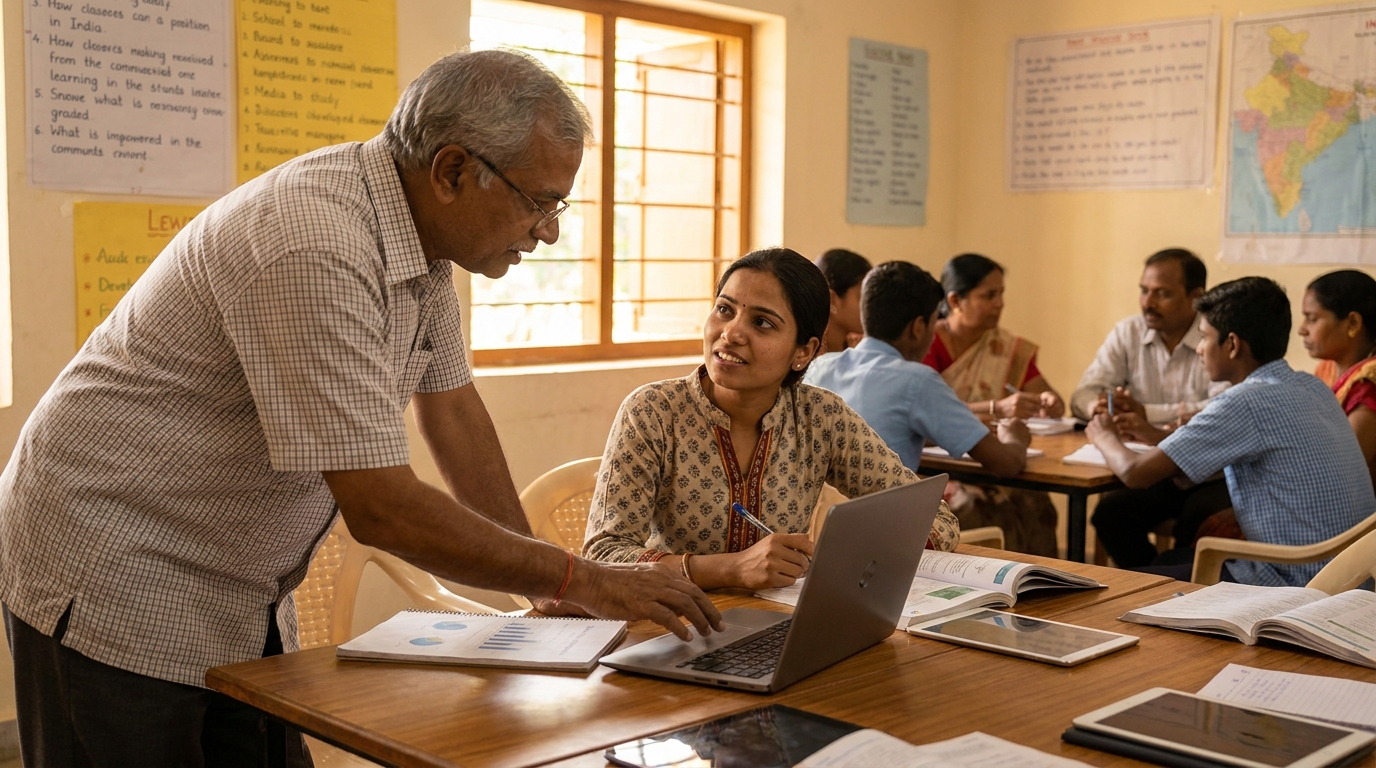
Mentorship plays an equally important role. Learning technology becomes more effective when experienced professionals provide encouragement, answer questions, and guide students through challenges. A mentor helps transform information into practical knowledge while inspiring learners to remain focused on their goals.
Digital skills also support financial independence. Freelancing platforms, remote employment, and online entrepreneurship provide new ways to earn an income. Even basic digital literacy can help individuals manage online banking, access government services, complete applications, and communicate more effectively in professional environments.
As technology continues to evolve, continuous learning becomes increasingly important. Young people who develop digital confidence today are better prepared to adapt to future changes, making them more resilient in an ever changing economy.
Building Stronger Communities Through Digital Inclusion
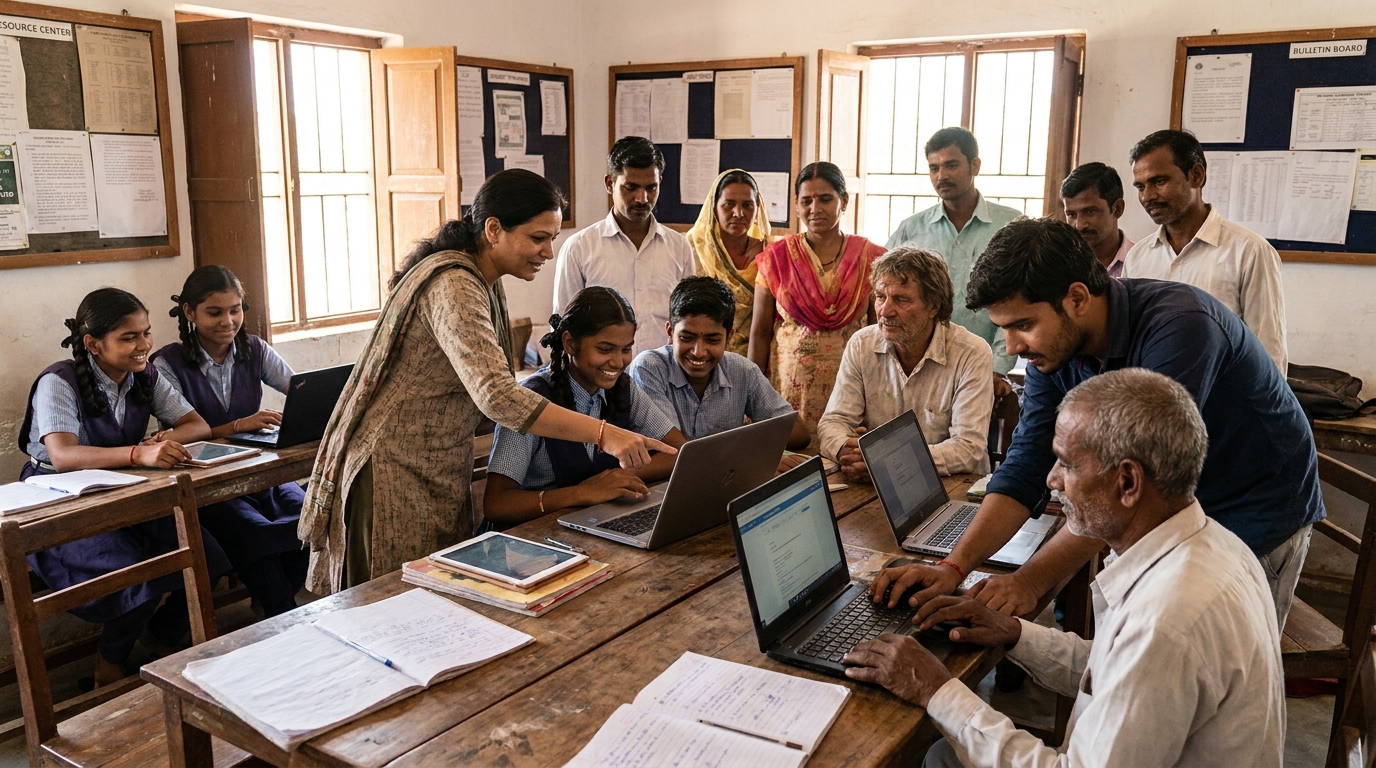
When one young person gains digital skills, the benefits often extend far beyond the individual. Families experience greater financial stability, younger siblings receive inspiration, and communities witness positive examples of success. Knowledge spreads naturally as learners share what they have discovered with friends and neighbours.
Digital inclusion also strengthens grassroots organisations working to improve society. Many small community groups have remarkable ideas and dedicated volunteers but struggle to reach supporters because they lack a strong digital presence. By helping these organisations build websites, improve communication, and use digital platforms effectively, they become more visible, more trusted, and more capable of expanding their impact.
Volunteers also become valuable contributors to this ecosystem. Instead of offering only financial assistance, they can share their professional knowledge, mentor learners, review portfolios, provide career advice, or teach practical digital skills. This creates meaningful relationships that continue well beyond a single programme or event.
Creating equal access to technology is not simply about distributing devices or providing internet connections. It requires ongoing support, practical training, encouragement, and a commitment to understanding each learner’s unique circumstances. A mentorship first approach ensures that people receive guidance tailored to their needs, allowing them to overcome obstacles with confidence.
The future belongs to those who can adapt, learn, and collaborate. By investing in digital education today, communities create opportunities that continue for generations. Every learner who develops new skills becomes another bridge connecting aspiration with achievement.
The Way Forward
Digital skills are no longer optional. They are essential for education, employment, entrepreneurship, and participation in modern society. Yet many deserving young people remain excluded simply because they lack access to guidance and learning opportunities.
By combining digital education with mentorship, career support, and community engagement, organisations like Setu Help Bridge Foundation help bridge the gap between potential and opportunity. Their focus on long term empowerment ensures that learners do not simply acquire technical knowledge but also gain confidence, clarity, and direction.
Every learner deserves the chance to build a brighter future. Every mentor has the ability to inspire lasting change. Every act of support helps create stronger communities where technology becomes a bridge to dignity, self reliance, and meaningful opportunity.