
Technology as a Bridge to Opportunity
The digital world has transformed the way people learn, communicate, work, and solve everyday challenges. From accessing educational resources to finding employment and connecting with support networks, technology has become an essential part of modern life. Yet, for many grassroots communities, these opportunities remain out of reach because of limited digital access, inadequate guidance, and a lack of practical knowledge.
The digital gap is more than the absence of internet connectivity or electronic devices. It represents the difference between having access to opportunities and being left behind. Many talented young people, community organisations, and local leaders have the passion to create positive change, but they often lack the digital skills and support needed to make their efforts visible and sustainable.
Grassroots communities play a vital role in solving local challenges. They understand the needs of their neighbourhoods, support vulnerable families, and work tirelessly to improve lives. However, many of these organisations struggle to communicate their work, attract volunteers, raise funds, or connect with supporters because they have limited digital resources.
Bridging this gap requires more than technology alone. It requires education, mentorship, collaboration, and continuous guidance. When communities receive practical digital support, they gain the confidence to embrace new opportunities while strengthening their ability to create meaningful and lasting impact.
Digital inclusion is ultimately about ensuring that every individual and organisation has an equal opportunity to participate in an increasingly connected society. By making technology accessible and understandable, communities become better equipped to solve problems, share ideas, and build stronger futures.
Empowering Communities Through Digital Knowledge
Digital skills have become essential for personal growth as well as community development. Students can access online learning platforms, professionals can explore remote employment, entrepreneurs can reach customers, and community organisations can communicate their mission with a much wider audience.
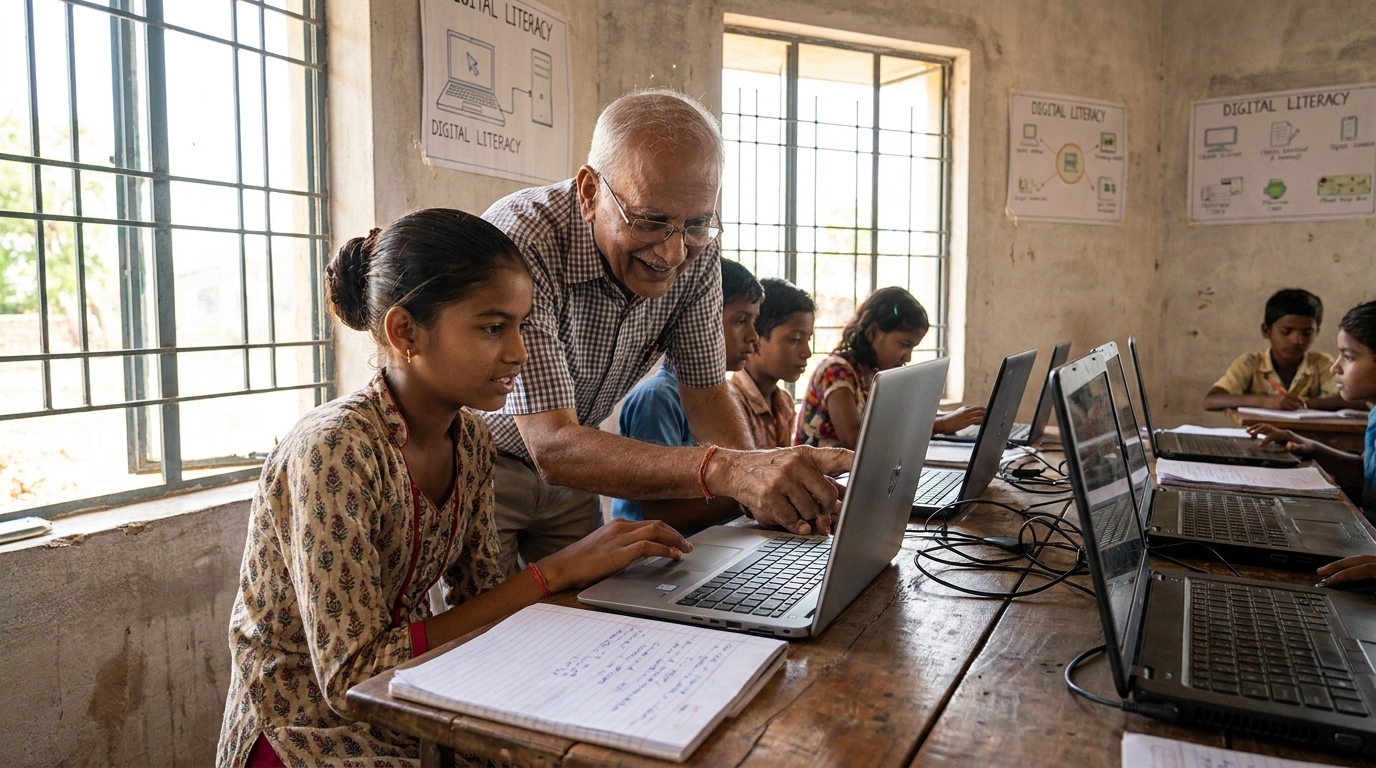
For underserved learners, digital education provides access to opportunities that may never have been available before. Learning how to use productivity tools, communicate professionally, create digital portfolios, and explore online careers prepares students for a future where technology continues to shape every industry. More importantly, these skills help learners build confidence in their own abilities.
Grassroots organisations also benefit significantly from digital empowerment. Many community groups work with dedication and compassion but remain unknown because they lack a professional online presence. Without a website, effective communication, or social media engagement, their ability to attract supporters and partners becomes limited.
Helping these organisations build digital credibility allows them to showcase their work, share success stories, engage volunteers, and reach potential donors. A stronger digital presence also increases transparency, helping supporters understand how their contributions create meaningful impact.
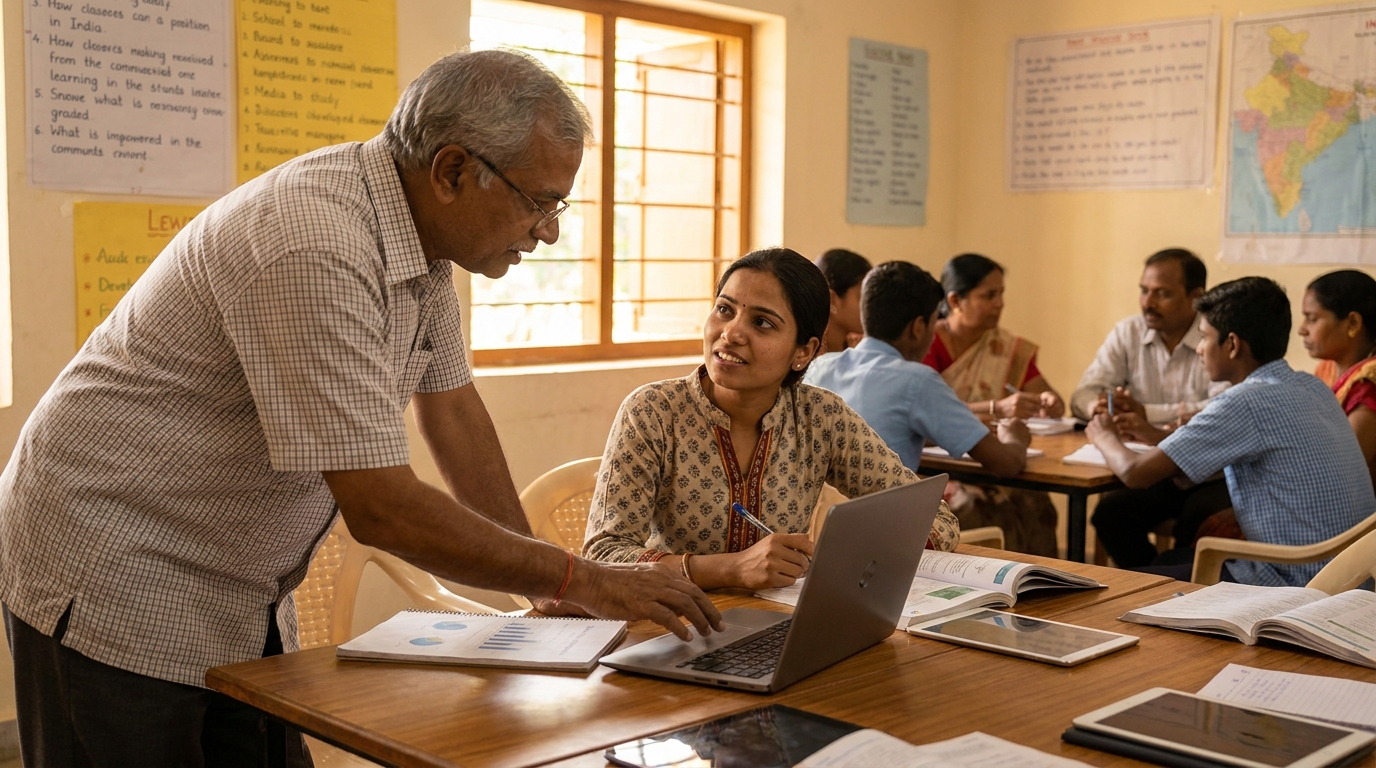
Mentorship strengthens this process by ensuring that digital learning is practical and relevant. Rather than simply introducing new tools, mentors help learners and organisations understand how technology can solve real problems. They answer questions, provide encouragement, and remain involved throughout the learning journey.
Digital knowledge also encourages innovation. Communities begin exploring creative ways to address local challenges, organise awareness campaigns, deliver educational programmes, and collaborate with others who share similar goals. As confidence grows, individuals become active contributors to positive change instead of passive recipients of support.
Creating Sustainable Change Through Collaboration
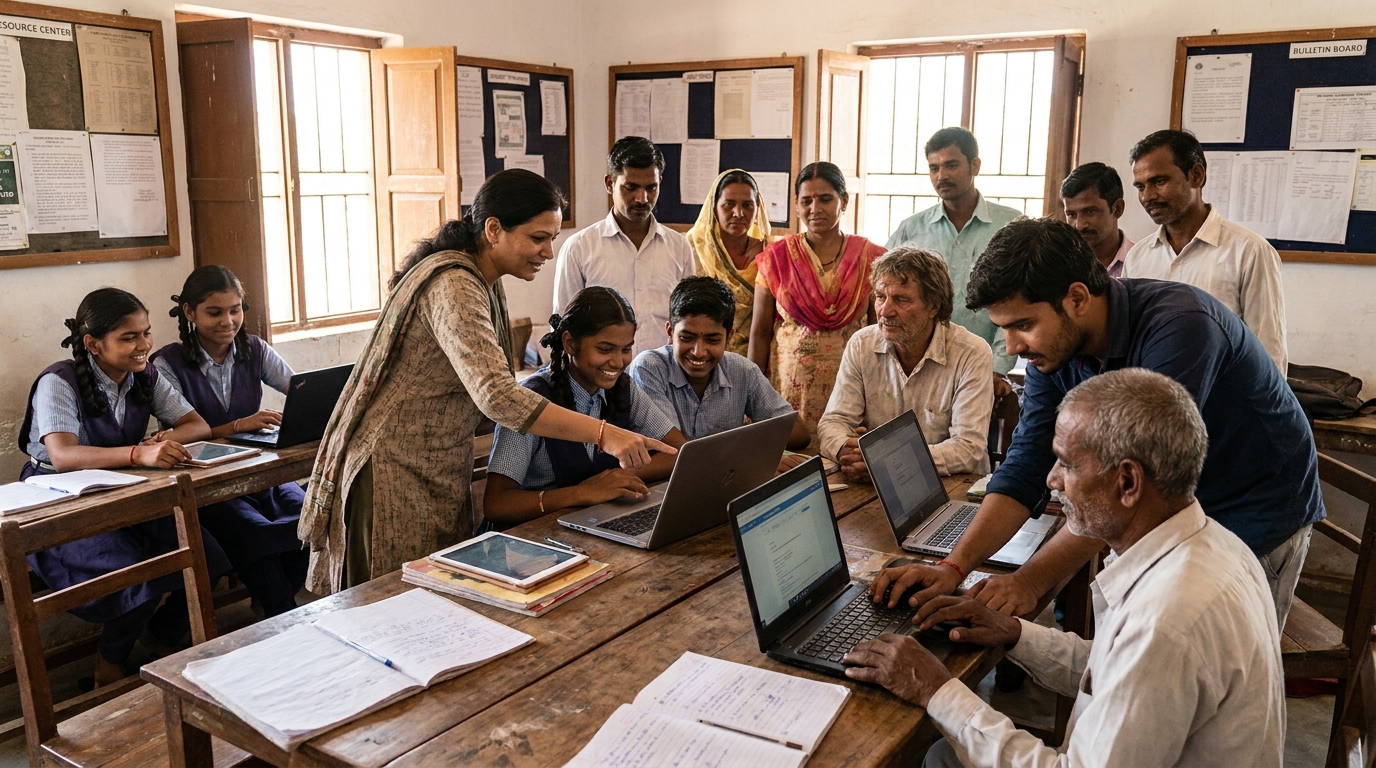
Lasting community development depends on people working together with a shared purpose. Technology becomes most powerful when it connects learners, mentors, volunteers, educators, professionals, and grassroots organisations through meaningful collaboration.
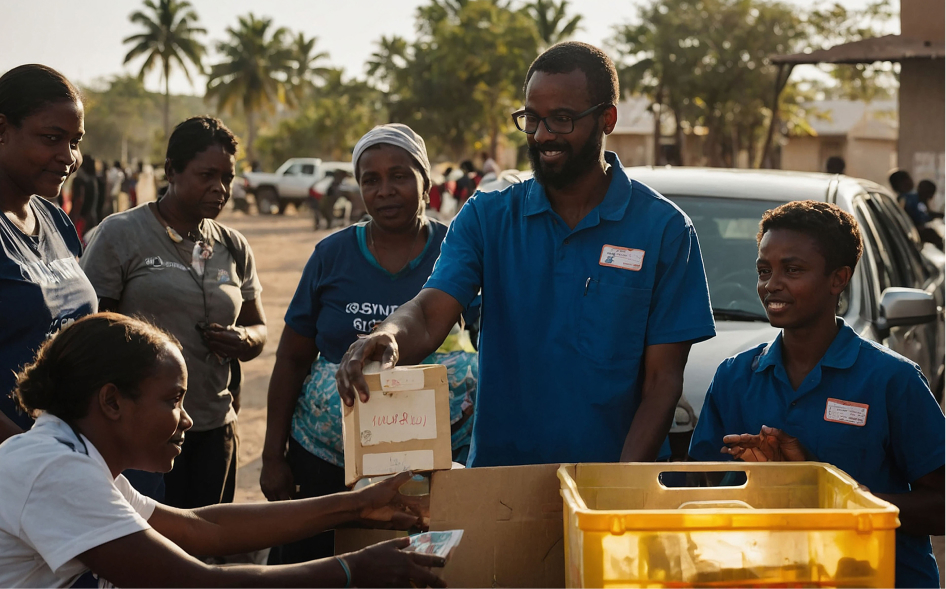
Volunteers bring valuable experience that extends beyond financial support. They can mentor students, teach practical digital skills, review career portfolios, share industry knowledge, or guide community organisations in strengthening their online presence. These contributions create relationships that continue long after a single programme has ended.
Students who receive digital education often become future mentors themselves. As they gain confidence and experience, many choose to support others who are beginning similar journeys. This cycle of learning and guidance creates sustainable growth that benefits entire communities.
Grassroots organisations also become stronger collaborators when they embrace digital tools. They can connect with other nonprofit organisations, share successful initiatives, organise virtual events, coordinate volunteers, and access resources that improve programme delivery. Collaboration expands their ability to serve more people while making better use of available resources.
The journey towards digital inclusion is not without challenges. Limited infrastructure, financial constraints, and varying levels of digital literacy continue to affect many communities. Addressing these barriers requires patience, continuous learning, and a commitment to understanding local needs before implementing solutions.
A mentorship first approach ensures that technology serves people rather than replacing human connection. Listening carefully, providing practical guidance, and remaining engaged throughout the learning process creates trust and encourages long term success.
When digital access is combined with education, mentorship, and collaboration, communities gain the tools to shape their own future. Instead of depending on short term assistance, they become capable of creating opportunities that continue to grow and benefit future generations.
The Way Forward
Bridging the digital gap is about much more than providing technology. It is about creating equal access to knowledge, guidance, confidence, and opportunity for every learner and every community organisation.
By supporting digital education, strengthening grassroots organisations, and connecting people through mentorship, initiatives like Setu Help Bridge Foundation help transform potential into progress. Their commitment to long term empowerment ensures that individuals receive not only practical skills but also the encouragement needed to build meaningful and sustainable futures.
When technology becomes a bridge instead of a barrier, communities become stronger, learners become more confident, and opportunities become accessible to everyone. Together, we can create a future where digital inclusion leads to dignity, self reliance, and lasting social change.