

Learning Beyond the Classroom
Education provides the foundation for a successful future, but many students discover that academic knowledge alone is not enough to build a fulfilling career. They often have questions about choosing the right path, developing practical skills, preparing for interviews, or understanding what employers expect. For students from underserved communities, these challenges can feel even greater because they may have limited access to professional guidance or experienced role models.
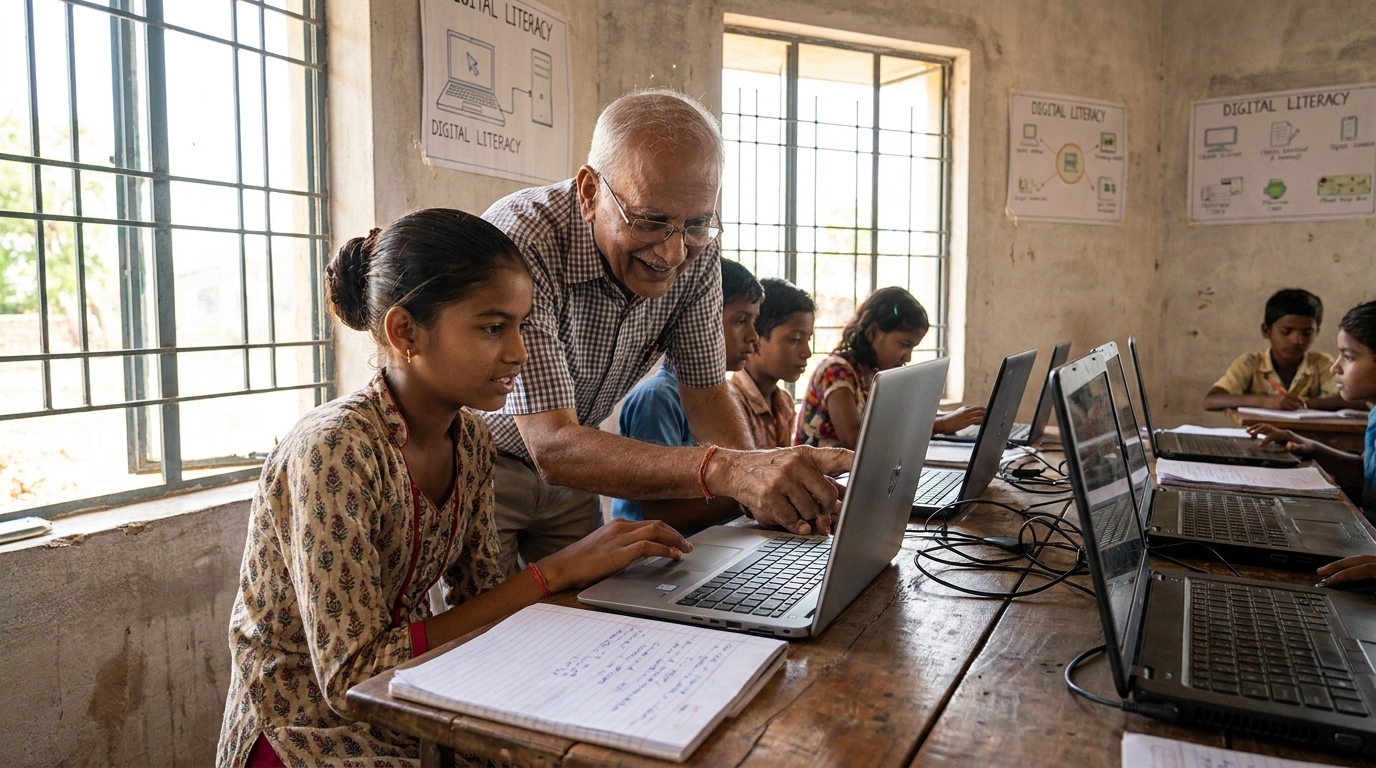
Mentorship helps bridge this gap by connecting learners with individuals who have practical knowledge and real world experience. A mentor does much more than answer questions. They listen, encourage, inspire, and help students make informed decisions with greater confidence. This relationship creates a safe space where learners can explore their interests, overcome doubts, and prepare for future opportunities.
Many talented students possess the determination to succeed but struggle because they lack direction. Without someone to guide them, they may choose careers that do not match their strengths or miss opportunities simply because they are unaware of them. Mentorship provides clarity by helping students understand different industries, career options, and the skills required to achieve their goals.
The value of mentorship extends beyond professional advice. It nurtures confidence, strengthens communication, encourages continuous learning, and helps students develop a positive mindset. These qualities become valuable assets throughout every stage of life.
Organisations that invest in mentorship create lasting impact because they empower individuals to make informed choices rather than depending solely on temporary assistance. By helping students believe in their abilities, mentorship lays the foundation for sustainable personal and professional growth.
Building Skills, Confidence, and Career Readiness
One of the greatest benefits of mentorship is the development of practical skills that complement formal education. While schools and colleges focus on academic subjects, mentors often introduce learners to workplace expectations, professional communication, time management, collaboration, and problem solving.
Students frequently feel uncertain about preparing a professional resume, building an online portfolio, attending interviews, or presenting their ideas confidently. A mentor can guide them through each of these steps by sharing practical advice based on real experiences. This personalised support makes learning more meaningful and easier to apply.
Mentors also encourage students to discover their strengths. Instead of following popular career choices without careful thought, learners gain the confidence to explore paths that match their interests and abilities. Whether someone dreams of becoming a designer, software developer, entrepreneur, educator, digital marketer, or content creator, mentorship provides the encouragement needed to pursue those ambitions with purpose.
Career readiness also depends on adaptability. Technology, industries, and workplace expectations continue to evolve. Mentors help students understand these changes and encourage them to remain curious, flexible, and committed to lifelong learning. This mindset prepares learners to succeed in a rapidly changing world.
Another important aspect of mentorship is accountability. Regular conversations with a mentor motivate students to set realistic goals, monitor their progress, and remain focused even when challenges arise. Celebrating small achievements along the way builds confidence and creates momentum for continued growth.
For students from underserved backgrounds, mentorship often becomes a source of hope. Knowing that someone believes in their potential can transform self doubt into determination. This emotional support is just as valuable as technical knowledge because confidence often becomes the first step towards success.
Creating Opportunities That Last a Lifetime
The impact of mentorship reaches far beyond individual career development. When one student gains confidence, skills, and meaningful employment, the positive effects extend to families, communities, and future generations. Successful learners often return to support others, creating a cycle of knowledge sharing and encouragement.
Mentorship also strengthens communities by building meaningful human connections. Volunteers who share their expertise contribute not only their knowledge but also their time, empathy, and encouragement. These relationships inspire trust and create opportunities for collaborative learning that continue well beyond a single programme.
In today’s digital world, mentors can support students regardless of geographical location. Online meetings, digital learning platforms, collaborative projects, and virtual workshops make guidance accessible to learners living in rural or underserved communities. This expanded access allows talented individuals to connect with experienced professionals they might never have met otherwise.
Mentorship also encourages students to think beyond employment alone. Many learners discover opportunities in entrepreneurship, freelancing, social innovation, and community leadership. With guidance from experienced mentors, they develop the confidence to create solutions, generate income, and contribute positively to society.
Organisations that place mentorship at the centre of their programmes recognise that real change happens through relationships rather than one time interventions. Providing ongoing guidance ensures that students continue receiving support as they navigate new challenges, celebrate achievements, and pursue their long term aspirations.
When mentorship becomes part of a learner’s journey, education transforms into empowerment. Students develop not only professional abilities but also resilience, confidence, and the determination to build meaningful careers that create lasting value.
The Way Forward
Every student deserves access to guidance that helps transform ambition into achievement. While education provides knowledge, mentorship provides direction, encouragement, and the confidence to apply that knowledge in meaningful ways.
By connecting learners with experienced mentors, organisations like Setu Help Bridge Foundation help bridge the gap between potential and opportunity. Their mentorship first approach ensures that students receive continuous support while developing practical skills, exploring career possibilities, and preparing for an increasingly digital future.
When communities invest in mentorship, they invest in people. Every conversation, every lesson, and every act of encouragement helps shape stronger individuals who are ready to contribute, inspire others, and build brighter futures for themselves and their communities.